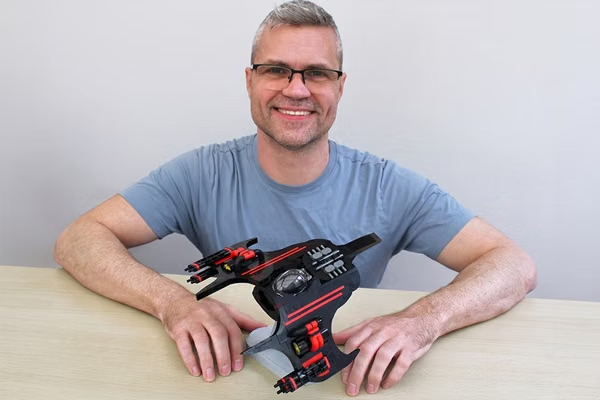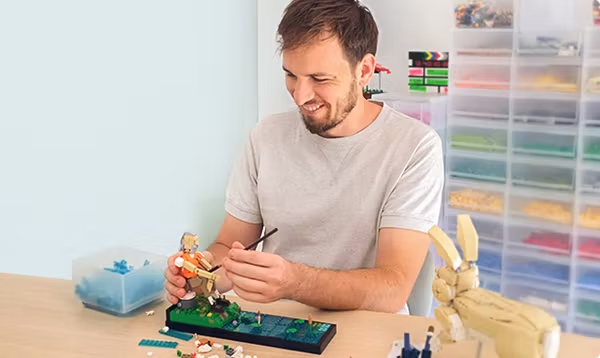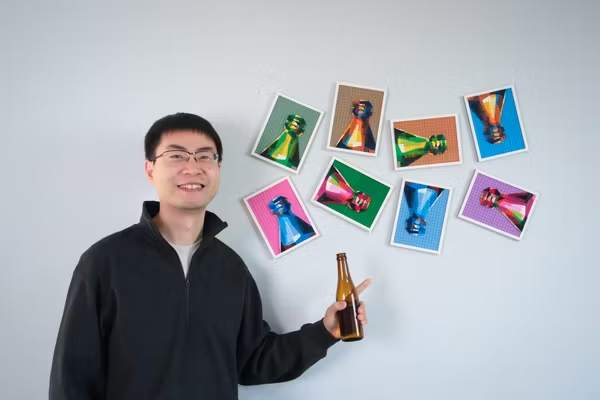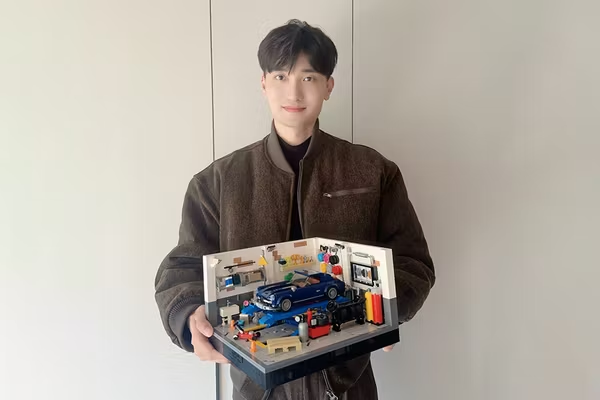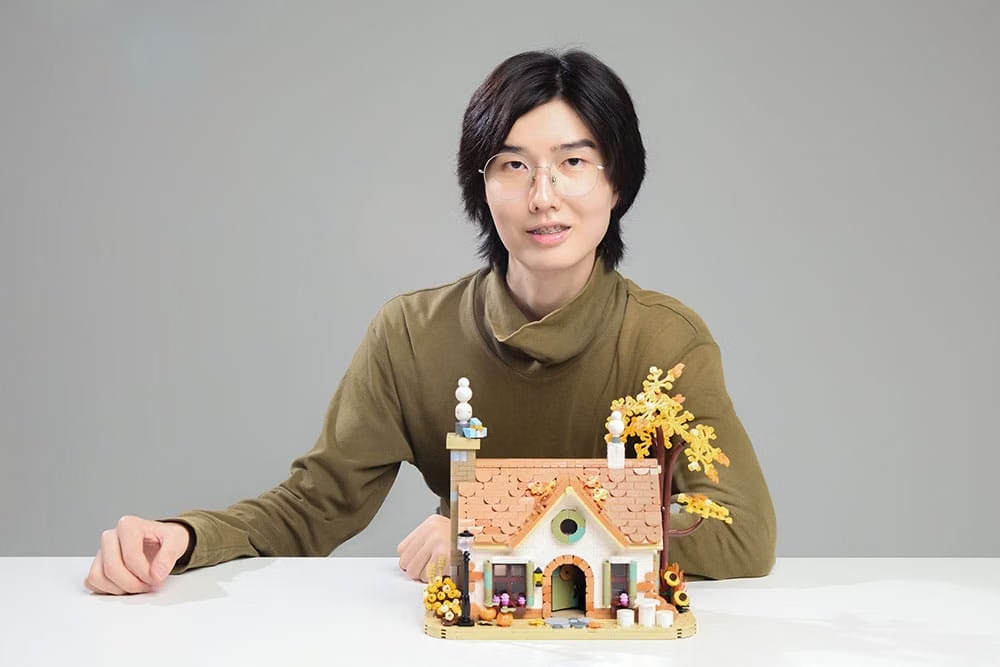
As a featured designer in our Brickwith+ collection, Tong Xin Jun brings a story that goes far beyond the bricks.
In this interview, we dive into the narrative behind his creation, Autumn Cottage, while uncovering the personal experiences and creative struggles that have shaped Tong’s journey.
From his early days in building contests to his unique design philosophy, this conversation offers a rare look into the untold stories and professional insights of the artist behind the build.
Meet the Designer: Tong Xin Jun
To start, please introduce yourself to the friends of Brickwith.
Hello! My name is Tong Xin Jun, and I’m a 23-year-old brick model designer from Malaysia. Outside of work, my hobbies are music and sports.
How did you discover your creative talent—whether in LEGO or other forms of art?
I love to create stuff from a young age.
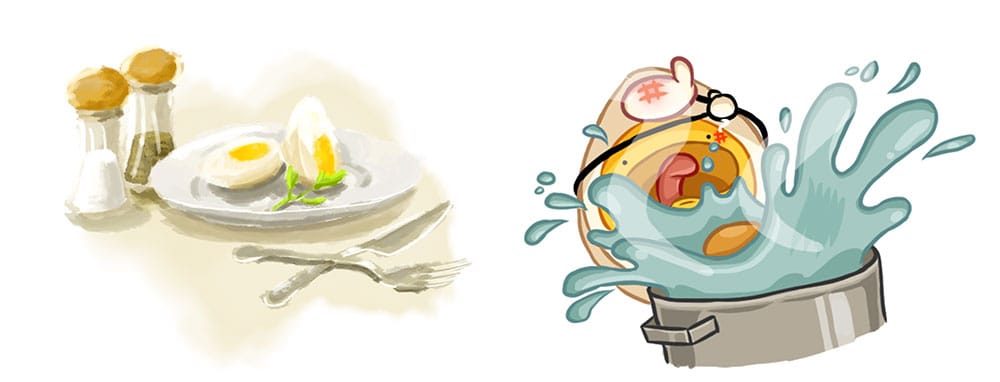
Without realizing it, I would naturally gravitate towards creative activities and hobbies like drawing or 3D.
However, LEGO was the medium that had me pushing my creative limits, especially since discovering digital building software.
What was the turning point that led you from an amateur creator to a professional designer?
Joining a LOT of building contests on Rebrick/LEGO Ideas (Because I really wanted to win free LEGO sets).
This had me competing with builders from all over the world, many of whom are incredibly talented artists.
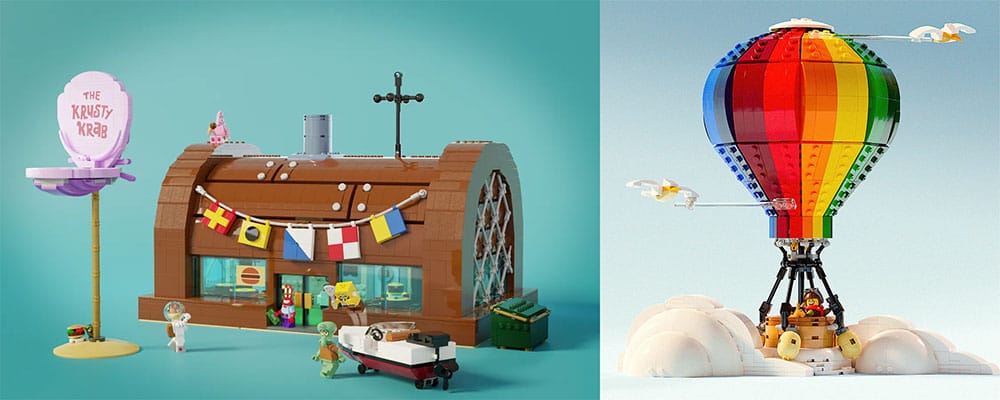
Over the years, this environment pushed me to improve my skills and take big risks with my design ideas.
When creativity shifts from a hobby to a career, what is the biggest difference?
I think the most significant change has been separating my professional work from being an artistic pursuit. As an artist, there is the desire to push boundaries and make every model the best it can be.
Added with the expectation that it has to be more innovative and surprising than the previous one.
For personal projects, this can be a fun exercise. But not sustainable with the output required on a professional level.
As a result, I have taken on a more pragmatic approach to my work.
Except for Lego, you've worked with other brands. Which participation made the deepest impression on you?
That would be my first cooperation with CaDA, where I designed their Japanese Steam Bun Shop.
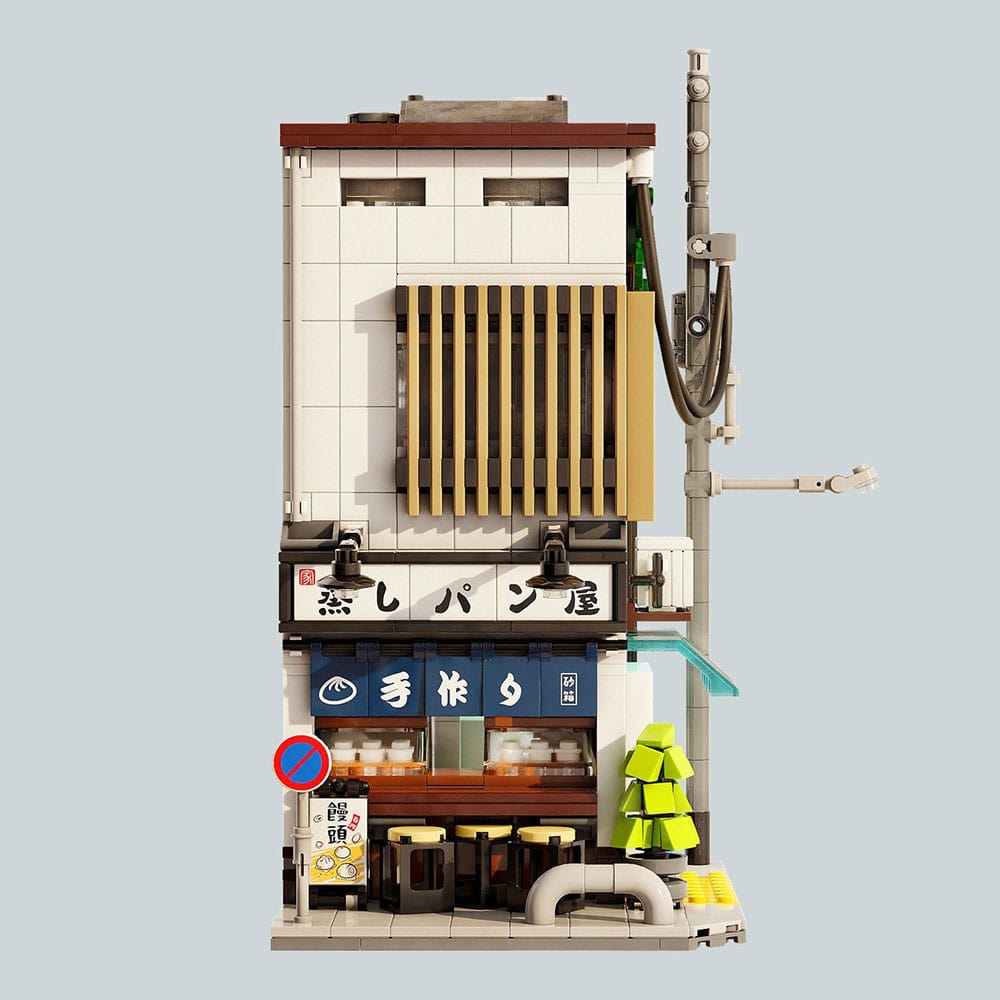
Even though I had to work with a very restricted brick library and piece count, I had a lot of ideas and enthusiasm at the time, which reflected in the design.
However, over the years, I will admit to getting worn out, and my designs become rather lackluster and soulless.
So I try to remember the Steam Bun Shop and the spark I had while designing it.
Daily Inspirations
What kinds of everyday life most often spark your creative drive?
Whenever I see nice houses or buildings around me, I can’t help but imagine recreating them in brick form.
Do you have any habits for recording inspiration when it comes to you?
I like keeping an image library of anything I come across that has a particular style or aesthetic I’m fond of. I would go through these libraries from time to time, and new ideas would pop up.
Is sketching your usual starting point in your creation process?
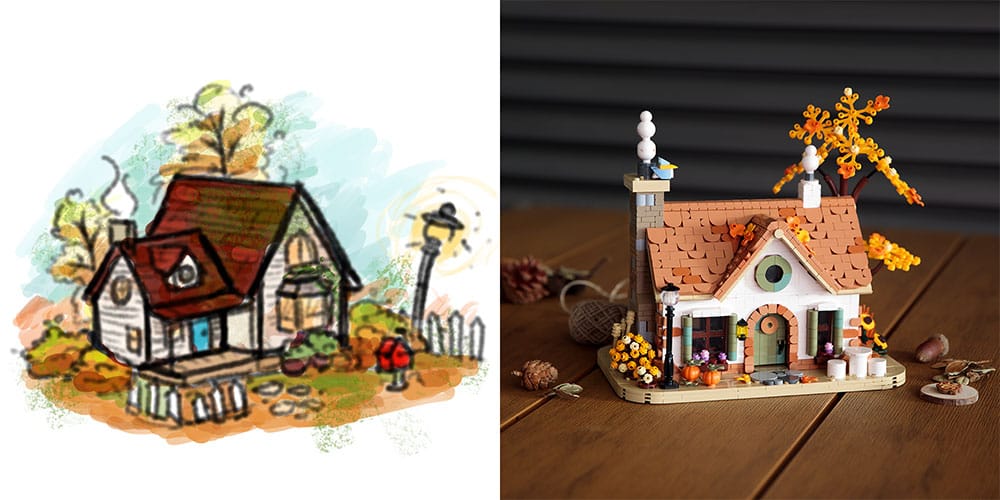
Yes, I usually make rough sketches either to explore a theme/subject as a primer or just how I would like the final result to look.
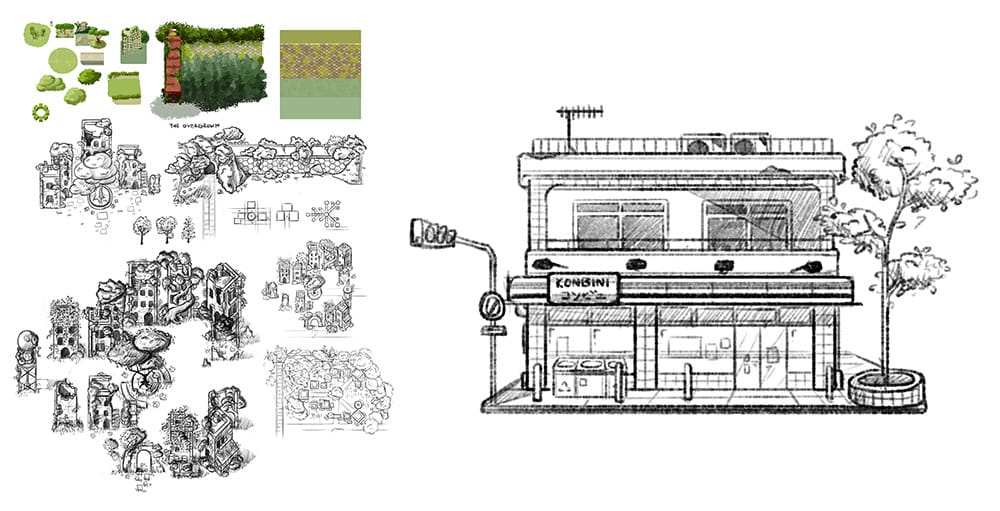
Sometimes jumping straight to building with bricks does the trick, but sketching is a great way to very quickly visualize a concept without getting stuck on building techniques.
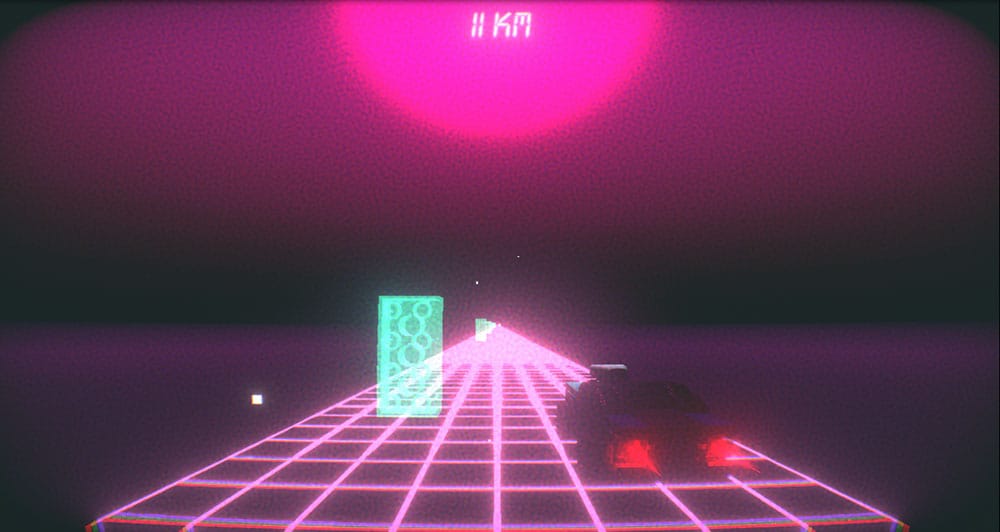
You’ve worked on many forms of creations—from physical models to digital games. Which one do you find more enjoyable?
I enjoy making digital games the most. Crafting a good visual, auditory, and tactile experience combined with storytelling is just really gratifying in a way none of my other creative works have.
Are there any themes or ideas you’ve always wanted to explore, but haven’t done yet?
I’ve always wanted to explore themes of an overgrown, flooded, and abandoned city. However, it’s a difficult subject to tackle, so it’ll just have to live inside my daydreams …
Are you currently working on any personal projects?
Currently, I don’t have any personal projects in the works due to time constraints. But if I could, I’m hoping to work on another small game development project sometime in the future.
When you’re designing or building, do you usually listen to any kind of music?
Yes! I must put on some music while I work to the point that it has actually become a problem. I enjoy listening to all kinds of artists and genres I come across.
The Story behind Autumn Cottage
This campaign’s theme is “Brickwith+”. How do you interpret this theme?
I kind of interpret it as a challenge. Such as a unique vision, style, or experience, I can express with the bricks.
Within this theme, what inspired you to create the Autumn Cottage scene?
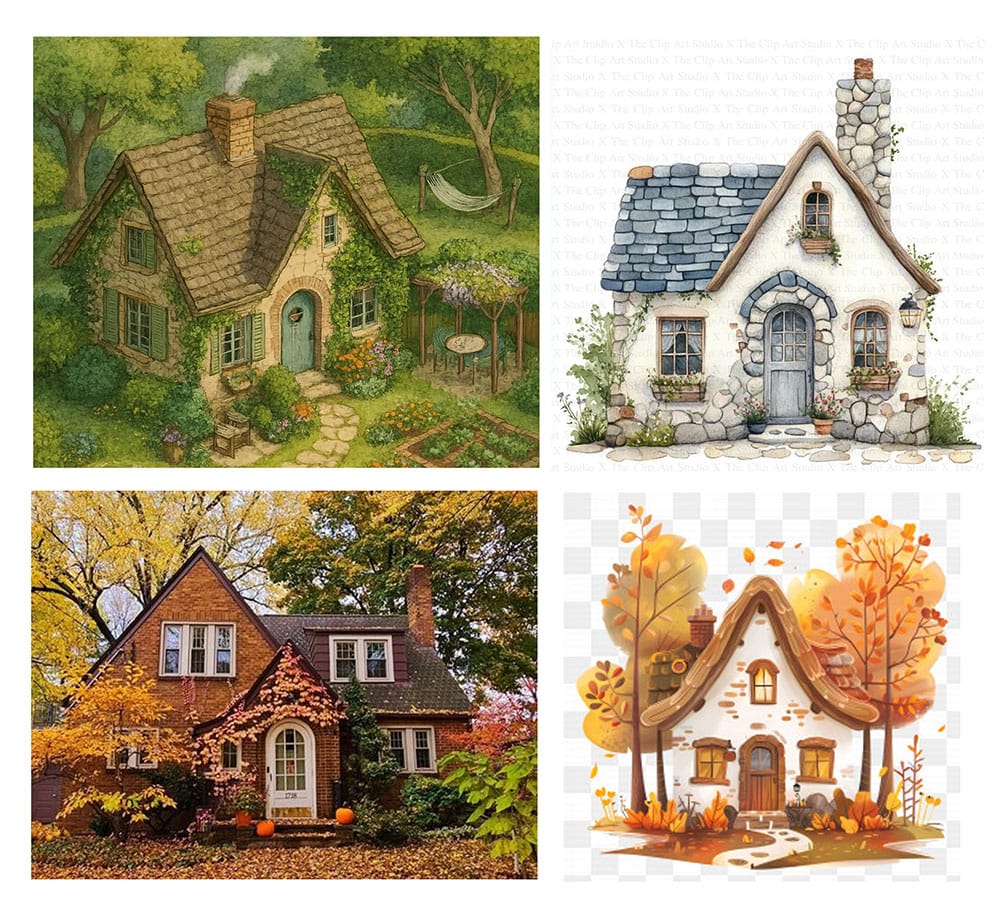
I love houses, and I love the autumn season, and that inspired me to create a model called the Autumn Winery a few years ago.
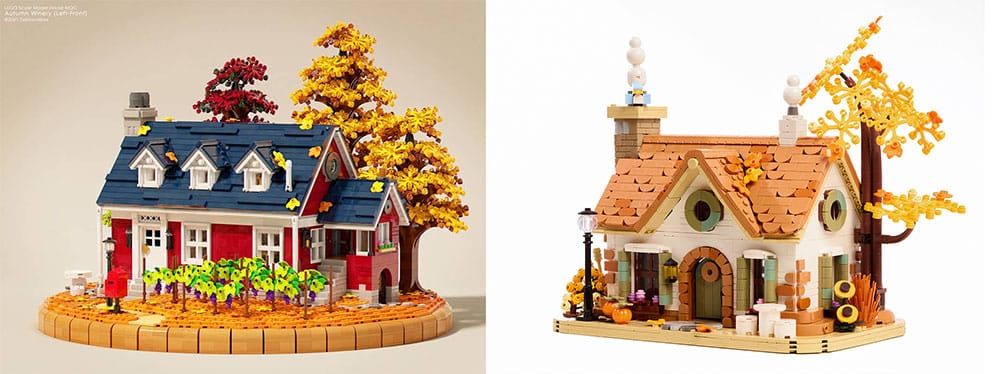
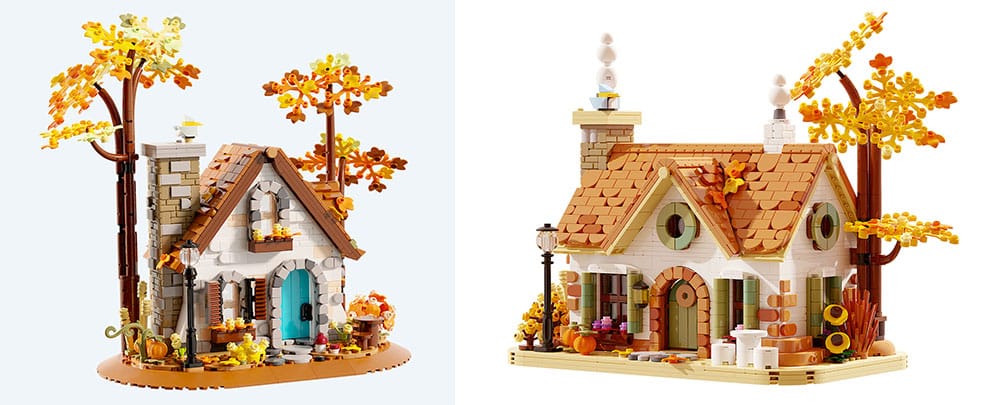
While it was a technical feat for me at the time, I just wasn't satisfied with the design and execution. Ever since then, the thought of revisiting this concept lingered, and ideas were building up in my head.
I felt that this collaboration could be a fantastic opportunity to revisit this theme and get the design right.
How is this collaboration different from your previous set design projects?
Compared to my previous set design projects, I was able to just focus on the "artistic" aspects when designing the model.
The straightforward Brickwith palette helped in this process immensely as well.
Knowing that every part will be available means I could design without any compromise down the line.
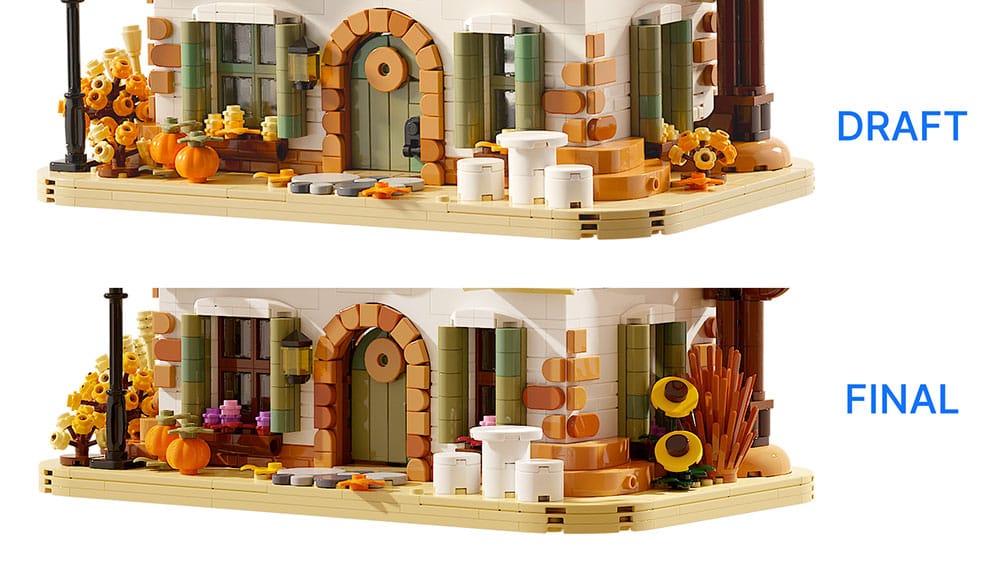
What led you to fine-tune the colors and decorative details of the final model?
I felt that the model looked a bit flat and empty in some areas.
Could you introduce the biggest highlight of the Autumn Cottage?
For me, the biggest highlight would be the fairytale storybook architectural style of the cottage.
If you were to recommend this set to someone close to you, who would it be?
I would like my mom to have this set. She loves houses and DIY stuff, I think she would enjoy it a lot.
If you could give this scene a certain emotion or story, what kind of feeling or narrative would it be?
I like to imagine this cottage in a top-down pixel-art RPG game that the player encounters in a small, cozy town near the forest during their adventure. (Imagine Stardew Valley or Kynseed).
How long did it take from the first sketch to the final build?
Approximately 4 months.
What was the most exciting part of creating this build?
The most exciting part was when the second draft started taking shape, and the design turned out to be very close to how I imagined it!
For the Autumn Cottage, which part of the color scheme are you most satisfied with?
I’m glad that the colors ended up working nicely together, and the ratio of each color is well-balanced. I’m especially satisfied with the dull green and pink/purple accents.
What were the main challenges during the creation process?
Limited time and a huge mental block between the 1st draft and the 2nd draft (pre-final) version.
In creating this model, was there anything that felt different compared to your previous builds?
It’s hard to say, every model feels like a completely different challenge from each other, with its own unique problems to solve. However, the design process does follow a largely similar pattern throughout all my builds.
This was your first time using the Brickwith parts library — what was your impression?
I noticed many parts in colors that aren’t available elsewhere. The potential that I could use all those cool parts was very exciting initially.
Was the Brickwith palette in Stud.io helpful in your design process?
The Brickwith palette in Stud.io has been very helpful! Beats having to refer to an Excel worksheet every time.
Building with Compatible Parts
In what situations would you choose to buy compatible parts?
I will go for compatible parts most of the time if a project is highly dependent on part color availability.
Whether it’s LEGO or other brands, what’s disappointing about the current parts library?
Limited part color availability in the market has been a recurring problem for me.
Do you mix LEGO with other parts when building? And if so, what issues have you run into?
Yes, I do. I have not run into any issues with mixing them from my experience.
Looking ahead, what would you love to see change or improve in the current parts market?
I would love for brands to branch out more with new parts and colors of their own.
Share with Builders
Do you share instructions with your fans? How do you share them? And do you have any standards for what to share and what not to share?
Not as often, actually. I usually only create building instructions for my MOCs that I feel people would be interested in building (i.e., Modular Buildings).
Whenever I share instructions, I try to make sure the model has a sensible build, and also that every part color is available in the market.
How many people go on to buy the parts and rebuild your designs?
Over the years, I’ve had a handful of people send me photos of my designs that they’ve bought and assembled.
This always surprises me because I don’t actually expect anyone to go through with building it, even though many have purchased my instructions.
Are those people usually brick fans or not?
I believe they are almost always brick fans. I have not personally encountered the contrary.
Have fans ever come back to you with small struggles?
I have not experienced this so far.
What kinds of moments of joy, satisfaction, or even touching experiences do you have from sharing your designs?
I’ve always looked to others for inspiration and thought of my own work as just trial and errors.
And so, hearing fellow builders look to my work as a source of inspiration has been both incredibly surreal and touching. It does put things into perspective for me as an artist.
Have artists from other fields ever reached out to you to express their appreciation or interest in collaborating?
I’ve had artists from other fields give their acknowledgement, but haven’t had one reach out asking for a collaboration so far.
Creator Support
From a creator’s perspective, what kind of support with parts would be most valuable to you?
For me, the most valuable support would be sources to purchase parts safely, reliably, and in a timely manner whenever the need arises for a project.
What tools or services could make your creative process easier or smoother?
It would be a dream if there were a simple, no-fluff brick building software with fast, precise, and responsive brick snapping and unlimited color options with a color wheel.
Prototyping models would be waaaaay easier!
In terms of community, what kind of support will encourage you to keep creating and sharing?
I think real-life events or exhibitions with collaborative effort on designing could be a good encouragement for me to create and share outside of work.
If you think beyond just parts and community, is there any other kind of support you feel a platform could provide to help you as a creator?
Learning resources and constructive feedback could be a very helpful additional support as a creator.
Editor's Note
For Tong Xin Jun, the Autumn Cottage is more than a model—it is a challenge to express a unique vision through a specific architectural style. This project captures a pivotal moment in his career: the shift from purely technical building to a more pragmatic, yet deeply artistic, professional approach.
By embracing the Brickwith library, Tong has managed to solve unique design problems while keeping the "spark" of his creativity alive.
We hope this glimpse into his process inspires you to explore the balance between imagination and reality in your own builds.
Interviewee
Tong Xin Jun @exesandbox
Interviewer
Kenshin
Editor
Cornelia
About Brickwith
Brickwith.com is the official destination for premium Gobricks building parts, offering an extensive selection of parts and colors, trusted quality, and tools built for creators. Every order is individually sorted and packed according to your parts list, giving builders a faster, smoother experience from checkout to construction.