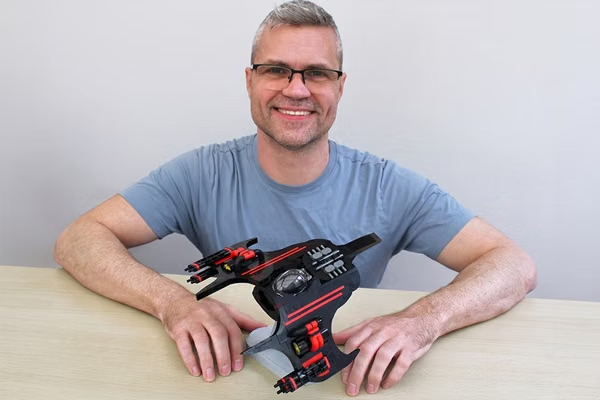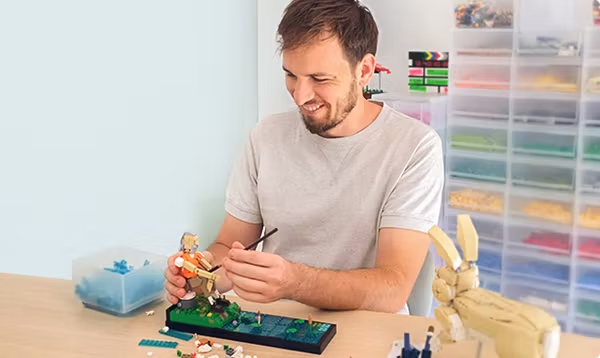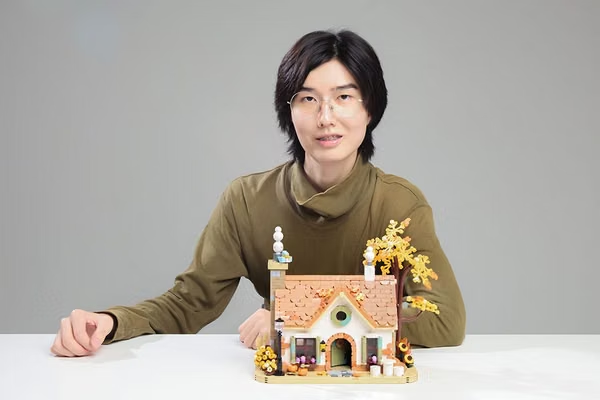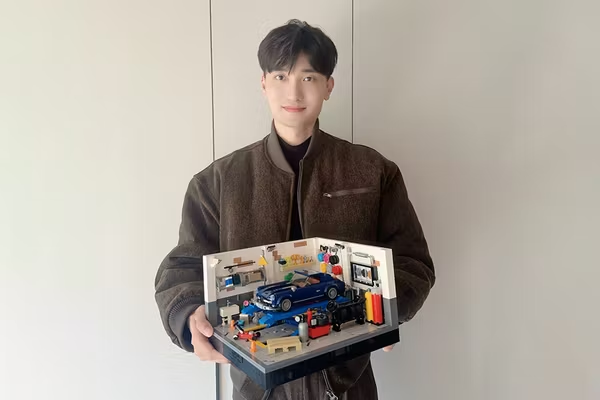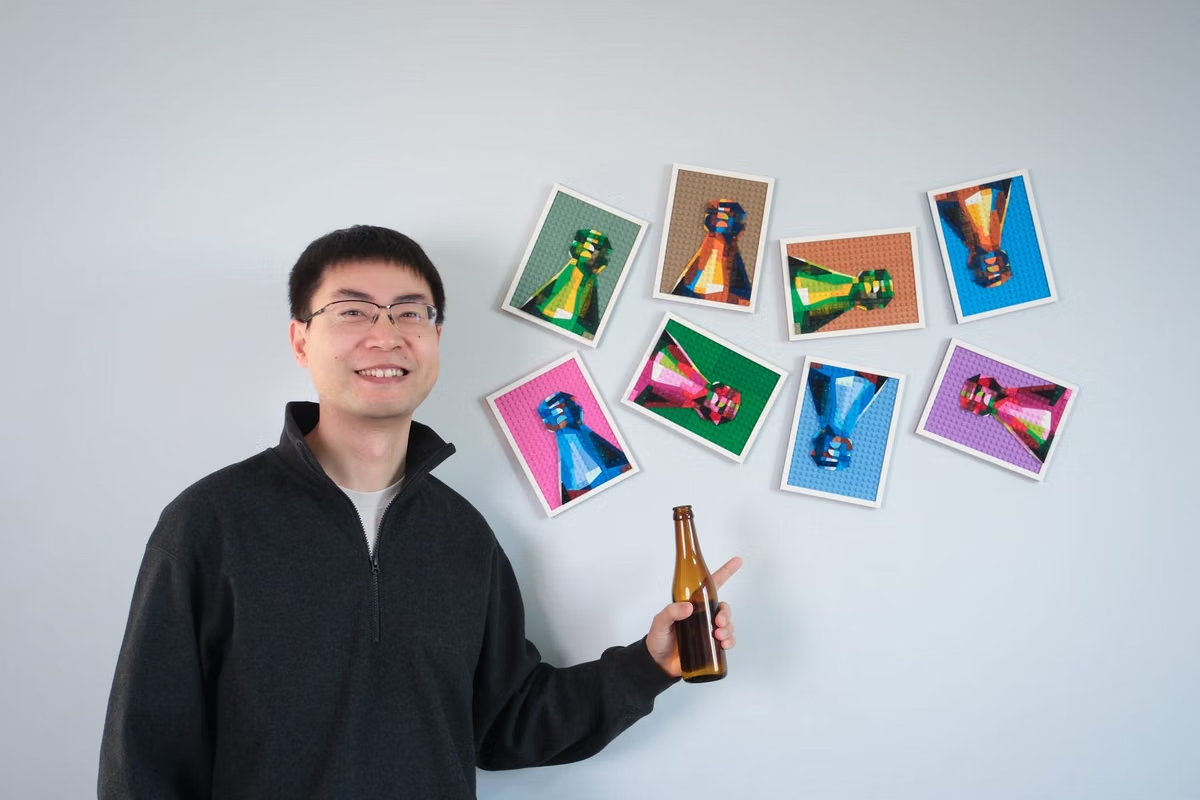
As part of our Brickwith+ collection, we are proud to feature one of our five invited designers, Liang Yao.
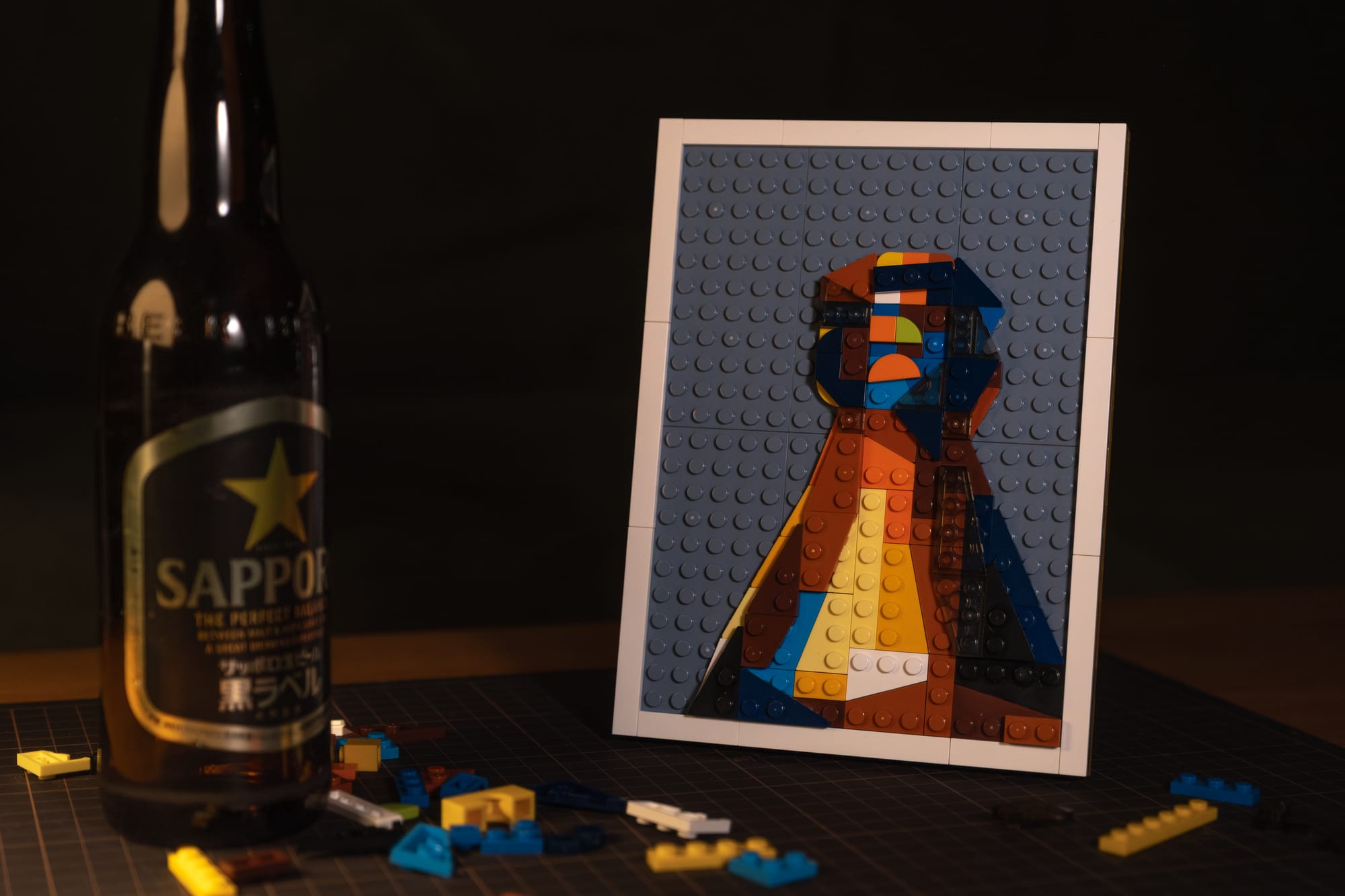
For this collaboration, he has created the Decorative Brick Painting of a Beer Bottle, a piece that highlights his unique ability to blend structural precision with visual storytelling.
It was Liang’s distinct "brick painting" style that recently earned him an invitation to exhibit his work at the LEGO House in Denmark.
While his previous projects established his reputation, this new work for Brickwith stands out for its execution, specifically in how it captures the delicate light and shadow reflections of transparent glass.
In this interview, we explore his creative process and how he uses bricks to redefine the traditional canvas.
Meet the Designer: Liang Yao
To start, please introduce yourself to the friends of Brickwith.
This is Liang Yao, from Shanghai, China. I used to be an engineer who spent a lot of time with toy bricks. Now I work as a freelancer, taking on various projects in the brick world.
When you were a child, did you play with bricks? If so, what did you enjoy most about it, and how does that compare with what you enjoy now?
When I was a child, I had limited access to toys of any kind. Most of them came from my elder brothers or sisters. I remember there was a box filled with random used LEGO pieces.
Every time I opened it, I came up with new ways of stacking those pieces. It felt like a magic box that brought me endless joy, a kind of joy that remains with me to this day.
When did you start your first creation? What was it?
It was about 10 years ago when I first started making my own brick designs, free from constraints. At the time, I was working for a building-modeling software company. Through that job, I learned a lot about architecture, and gradually became a fan of various architectural styles.
The first brick design I ever made was a Swedish barn, with a complex sloped roof. It was very large, but lacked details. Today, it is still stored at my parents’ place. Looking back, I find it terribly made, but somehow my parents still enjoy it very much.
What other hobbies do you have?
My biggest hobby these years has been playing the piano, which I started 3 years ago.
Learning piano as an adult can be quite challenging, but that has never been a problem for me. I love classical music.
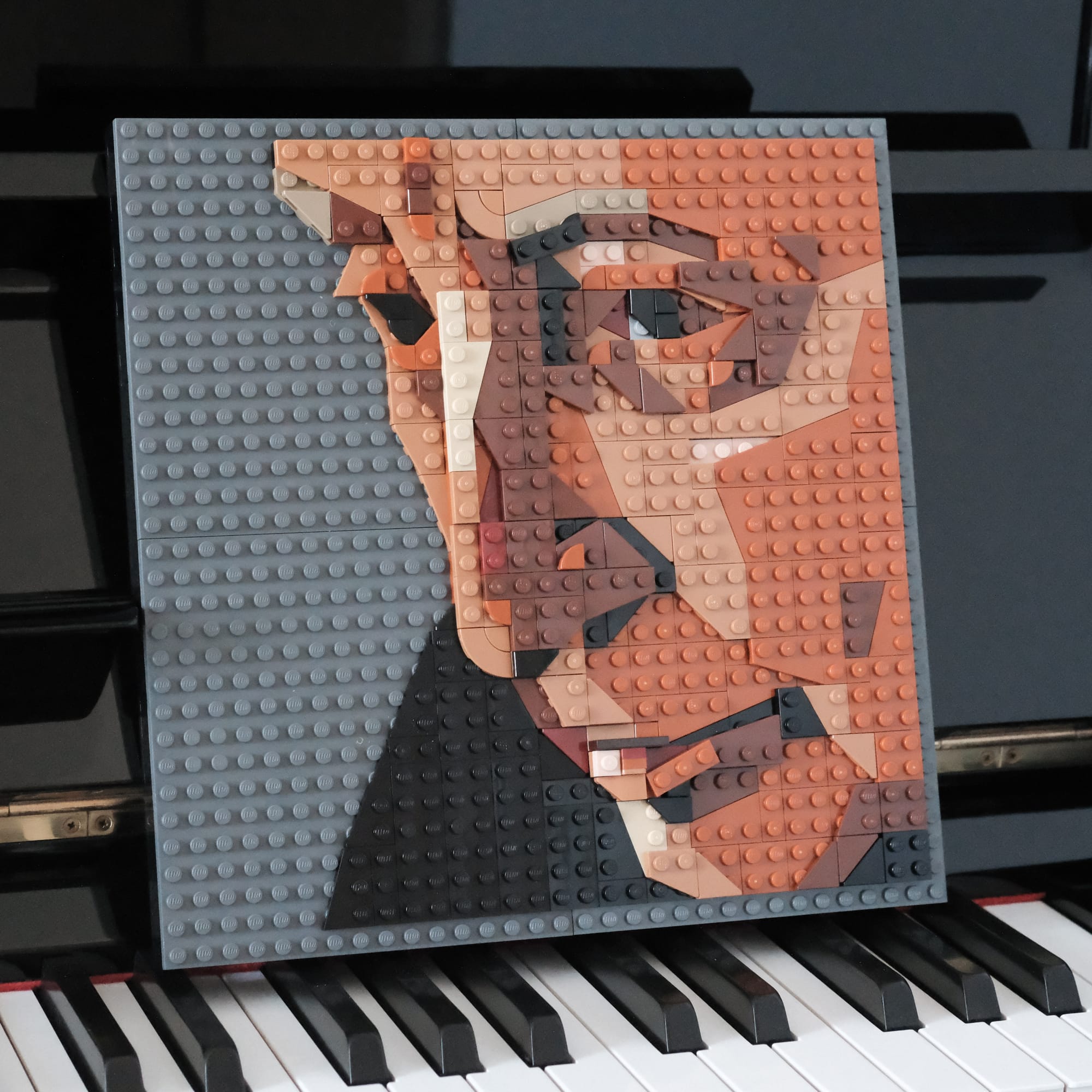
By learning piano techniques and music theory, I gain a deeper understanding of and appreciation for music. It also helps me balance the ups and downs of creative work. Often, my creative efforts don’t pay off immediately, which can be frustrating.
But when I practice the piano, the time I spend almost always brings some progress and confidence. It saves me from feeling stuck or disappointed.
Last year, you were invited to exhibit at LEGO House. What was the most striking impression or takeaway from that experience?
I expected the LEGO House to be just a gallery of brick works, but it turned out to be a large wonderland of staff and fan co-creations.
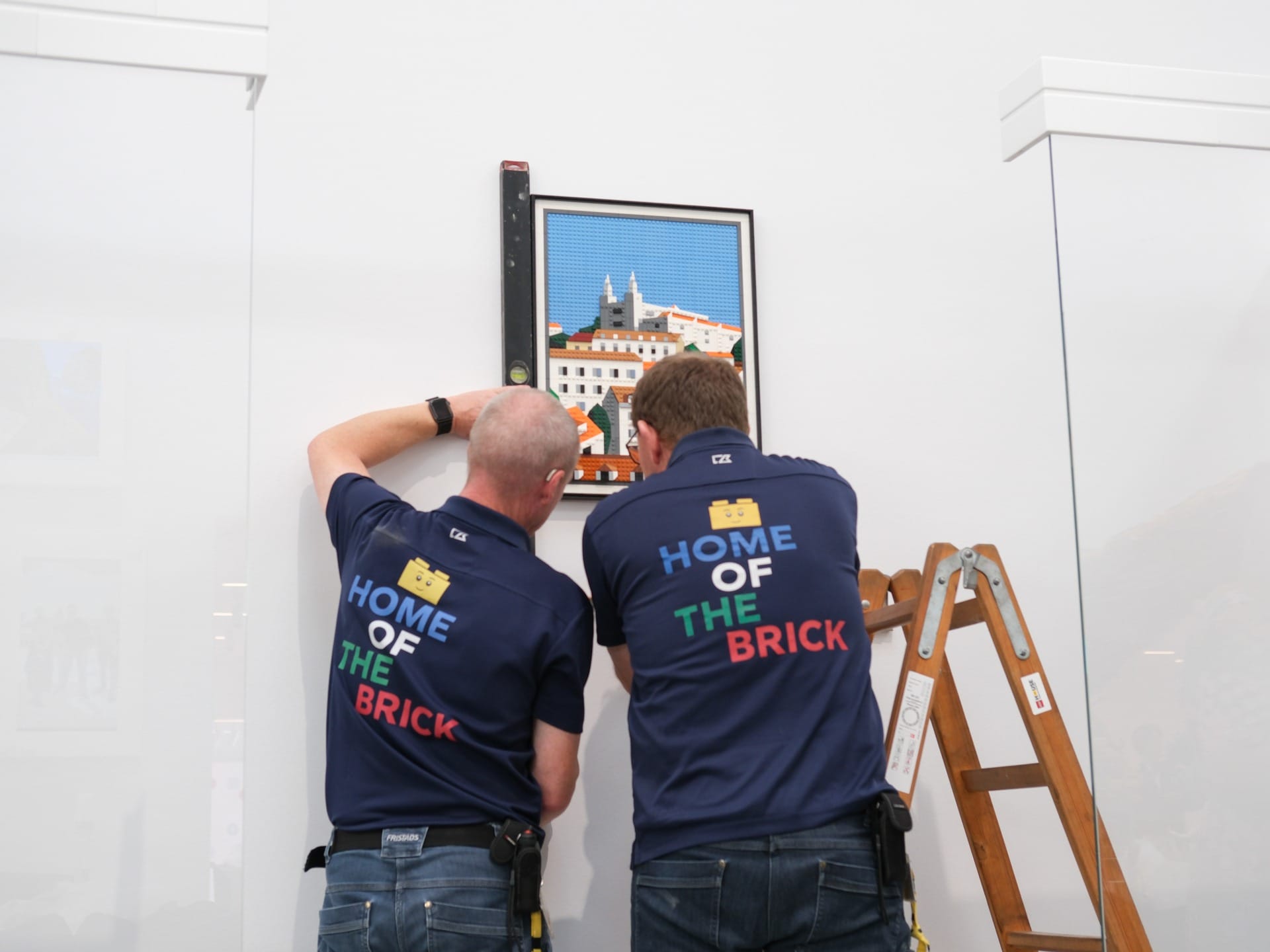
Many of the scene setups, large decorative models, and display sandboxes are shaped not only by staff across different functions around the world, but also by a large fan community, and they continue to evolve over time.
It showcases something beyond creativity, that is, collaborative and ever-growing creativity.
Brick as a Language
What is your earliest memory of being strongly moved by something visually or emotionally beautiful?
When I was around 12 years old, exchanging Christmas greeting cards became very popular among classmates.
A couple of weeks before Christmas, we would spend a lot of our pocket money trying to find the best cards we could afford. We wrote our sincere wishes, and during Christmas week, we gave them to our best friends.
There was one card I especially loved. It had beautiful calligraphy printed on the cover. When I opened it, Santa Claus popped up riding a reindeer sleigh, a Jingle Bells melody started to play, and my heart melted.
It wasn’t cheap, but I didn’t hesitate to buy it. I wanted to share this feeling of encountering something truly beautiful with the girl I liked. I thought over and over about what I should write inside.
Every time I looked at the card, my heartbeat sped up.
In the end, we weren’t that close. I was too nervous and too shy to walk up to her and hand it over. It was a pity, of course, but without doubt, it remains a very beautiful memory.
Did anyone give you meaningful encouragement or inspiration in your creative journey?
When I started my self-employed brick business a few years ago, I was mainly developing a workshop program for teenagers to explore the fun of LEGO Mindstorms robots.
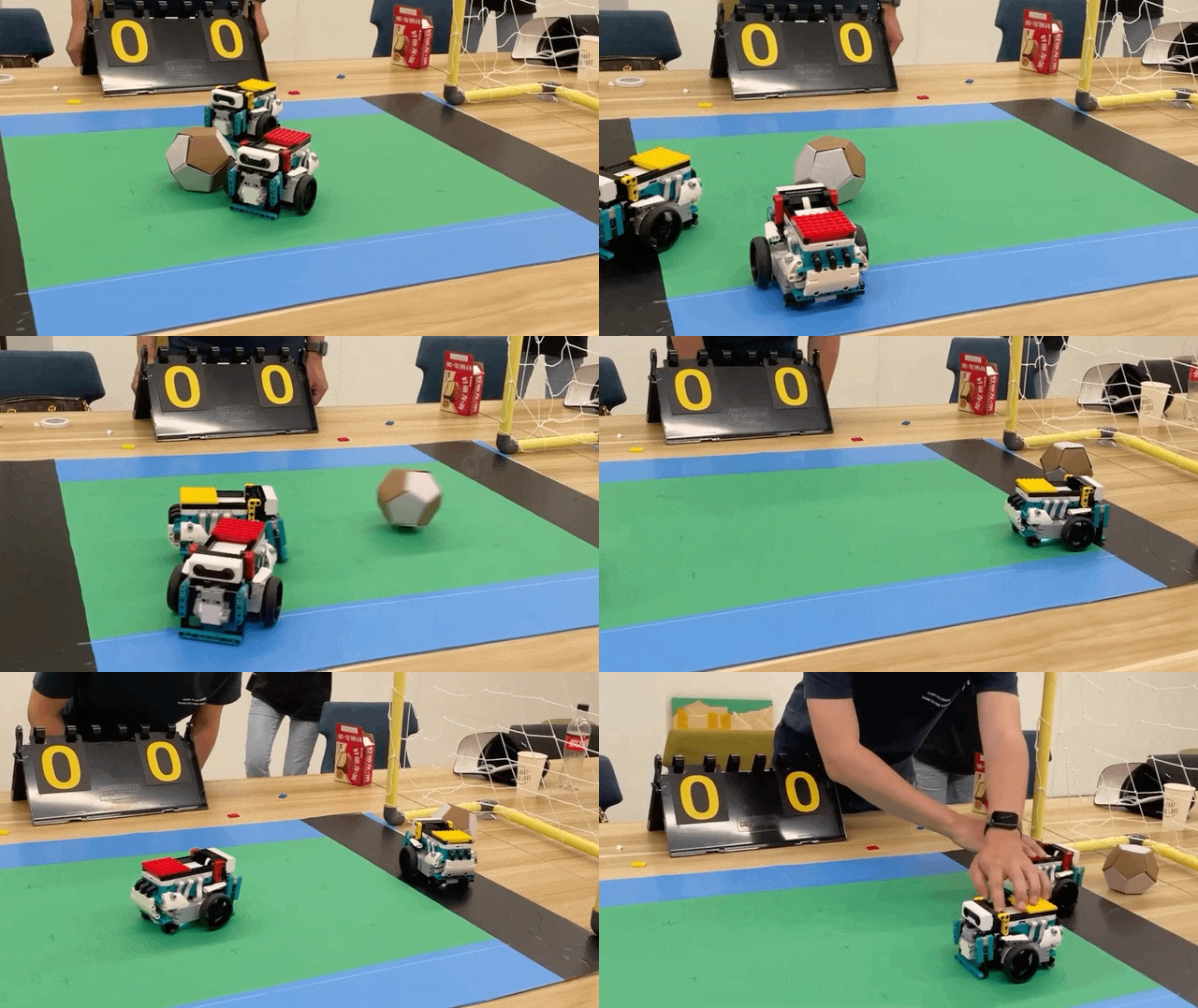
After piloting the program, a friend introduced me to his project partner, a school professor, who could advise me on how to fit the program into the existing educational system.
When we met, the professor gave me quite some unexpected negative feedback on my workshop program. However, he said he was impressed by some mini-scale brick buildings I had made.
He suggested that I continue developing my brick design portfolio. There might be a path for me as a creative designer. “You are an artist, Liang.” He added. I was confused.
A few weeks later, the “Shanghai 2022 quarantine” began. Group activities became difficult for months.
With the future of the workshop business unclear, I took the professor’s advice and started making brick designs in various forms during the long period of quarantine.
Whenever I doubted myself, I recalled what the professor said to me. I guess he saw something in me, or maybe there really is something in me? With that thought in mind, I managed to carry on.
Were there any books, films, or music that had a significant influence or brought major inspiration to your creative work?
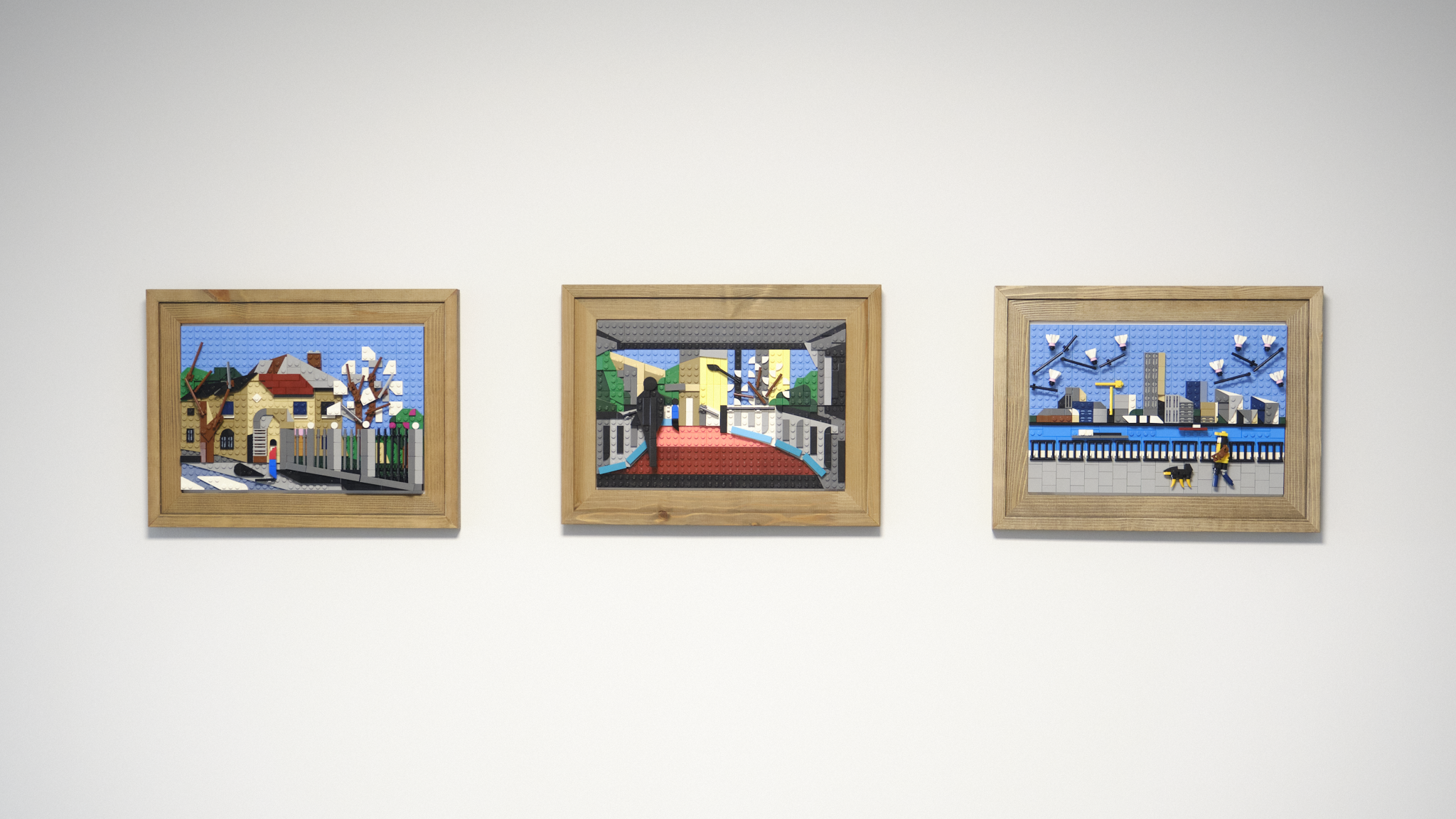
When I was planning my first brick painting with an original subject, Flowers and Home, I was thinking of a film called Midnight in Paris, by Woody Allen.
The opening montage of that movie shows a sequence of everyday scenes in Paris, accompanied by a slow jazz soundtrack. To me, this is the best “tourism intro to Paris” I’ve ever seen.
Every static shot feels like a painting of quiet elegance. There is no exaggeration or staging.
It just seems like a very ordinary day at a very ordinary spot, yet you feel the beauty, the history, the lifestyle, and even the mood of Paris.
This became a major source of inspiration for that brick painting project. I wish I could present my home city, Shanghai, in a similar way.
That spring, when the city flower, the magnolia, started to bloom, I visited dozens of street corners in Shanghai. I took photos and static video shots of everyday city scenes, with magnolia trees as key elements.
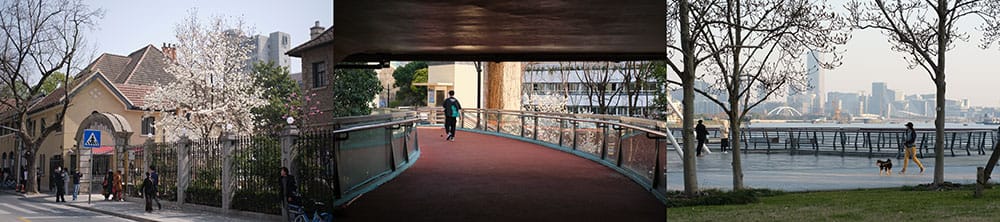
From these scenes, I selected three and turned them into brick paintings.
When you use bricks as a form of expression, what do you see as their strongest expressive ability and limitations as a medium?
It’s a bit like making a movie with a toy camera. Using toy bricks to express general topics and even to make serious artwork naturally brings in fun textures, a playful spirit, and an unexpected contrast.
But it’s also important to keep in mind that toy bricks are, after all, standardized pieces with limited geometries, colors, and connectivities.
Sometimes we have to make trade-offs between playfulness and precision.
Do we choose toy bricks as a medium for their unique character and signature texture, or do we take another route, such as 3D printing, to care for every single detail?
This is always a question to consider.
What is your creative process?
Once I’m clear about what to create, let’s say the subject of a brick painting, I usually start by taking a lot of photos of the target object or scene.
Then I do quick digital sketches based on these reference photos to work out the composition.
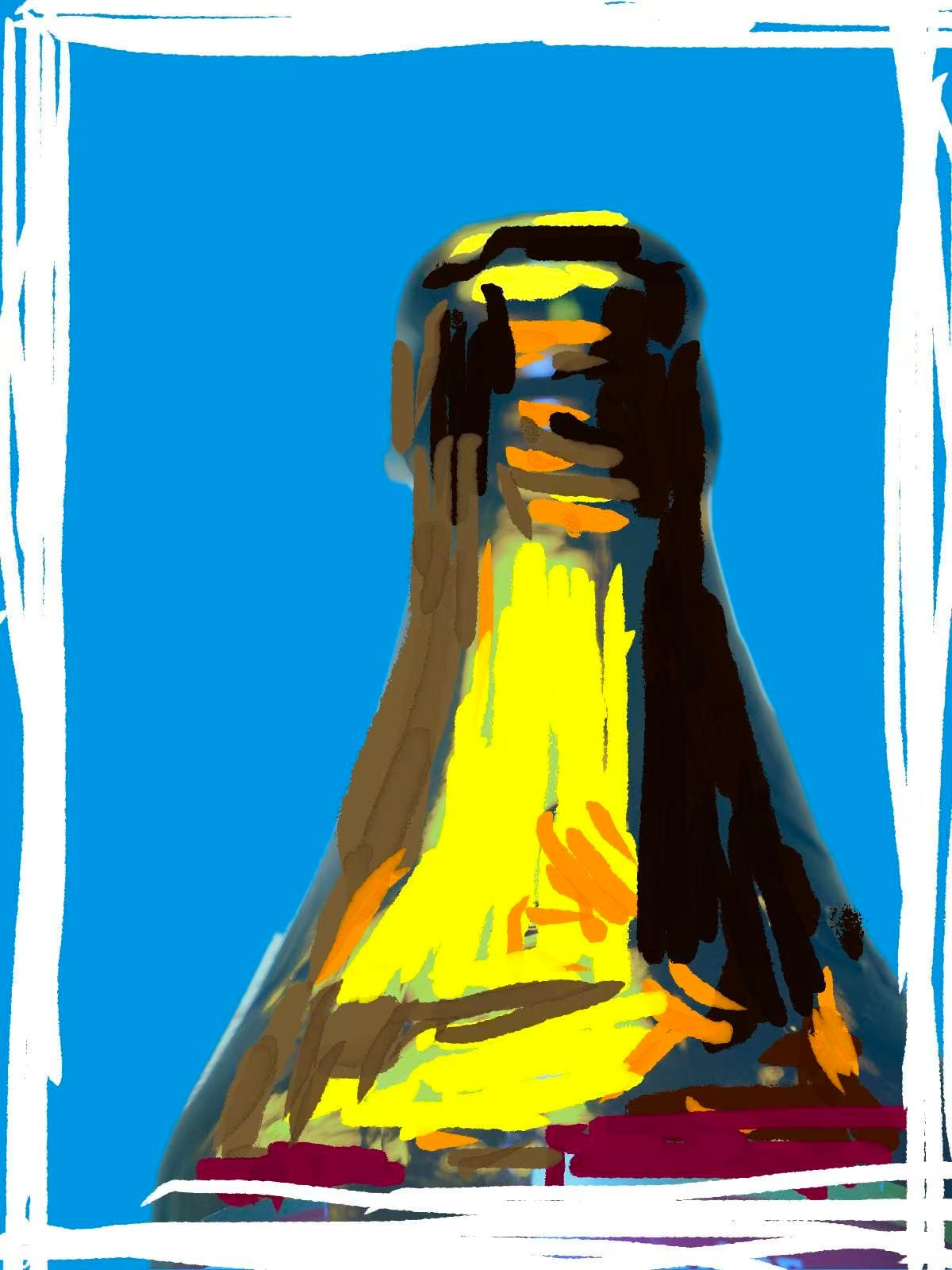
Next, I study the colors and work out the palette. I make new sketches using only brick colors. I have a box of basic plates and tiles in 30-40 common colors as a physical reference.
After that, I use notebooks with gridlines to work out the scale.
I mark line drawings on paper, with common brick shapes in mind. I always want my brick canvas to be moderate in size, without compromising too much on detail or precision.
Finally, brick design applications like BrickLink Studio come into play. Normally, I don’t buy new parts before I finish the digital design.
How did you learn to draw, and what role does it play in your creative process today? In what ways has it helped or influenced your work?
I was not very happy with the first few brick paintings I made, technically. I felt it was necessary to make up for some basic art training in order to make better brick designs.
I picked up some self-taught materials, one of which was the book Drawing on the Right Side of the Brain by Betty Edwards, the art coach.
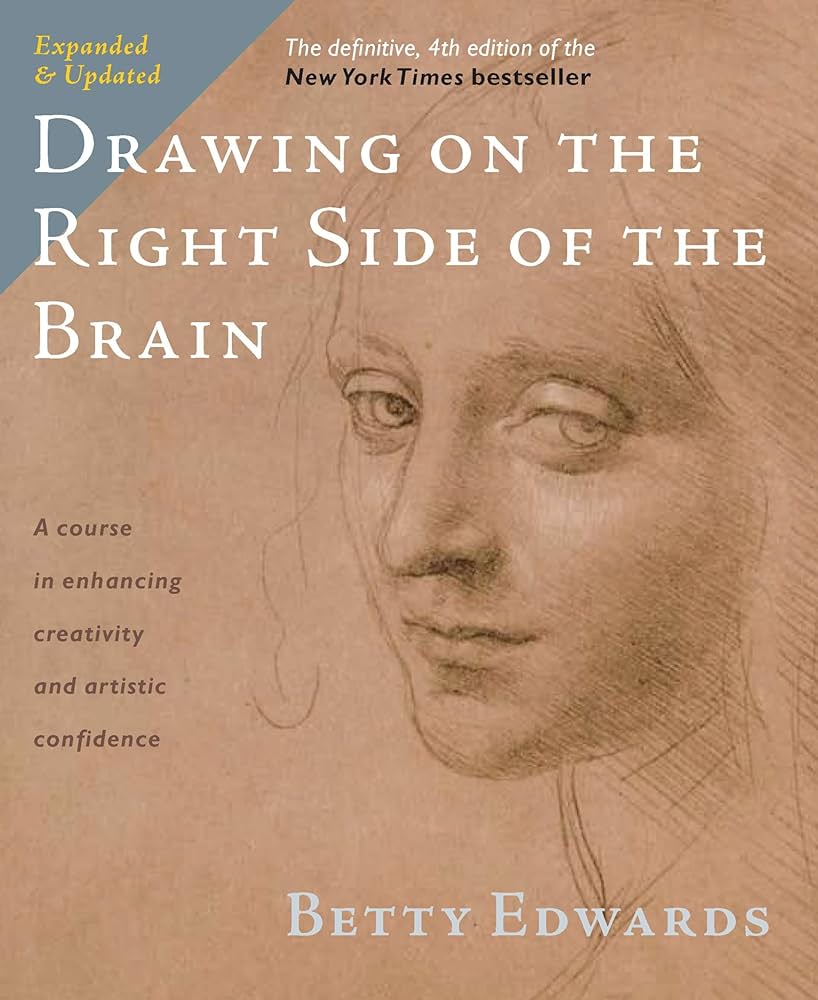
The main idea of that book is to help you understand, through a series of drawing exercises, that drawing is all about perception. Better seeing leads to better drawings.
I followed her instructions and started the journey of learning to perceive. My drawings improved accordingly, and this naturally had a positive effect on my brick paintings as well.
Beyond observing subjects for drawing or brick art, I’ve since spent much more time observing everyday life in general.
I have not only discovered subtle lines, shapes, and colors I was previously too blind to see, but also the sublimity, delicacy, and tenderness of the world around me.
I’m forever grateful. Learning to draw helped me technically, and more importantly, it completely changed the way I see everything.
What is the most difficult part of creating?
To me, the most difficult part is having a clear target of what I am about to create.
What is the subject? In which form do I want to create it? What is the purpose? What is the message?
Once the target is clear, it is just a matter of time, as long as I don’t give up halfway.
Of course, skill-wise or resource-wise, there might be some challenges. I have to live with compromises, but they don’t stop me from delivering a result.
However, if I don’t have a target, I create nothing.
What was the first time you received strong positive feedback for your brick creations?
I once made a brick creation of a badminton shuttlecock standing on its feather tip. It was inspired by the shuttlecock sculptures at the Nelson-Atkins Museum in Kansas City, Missouri.
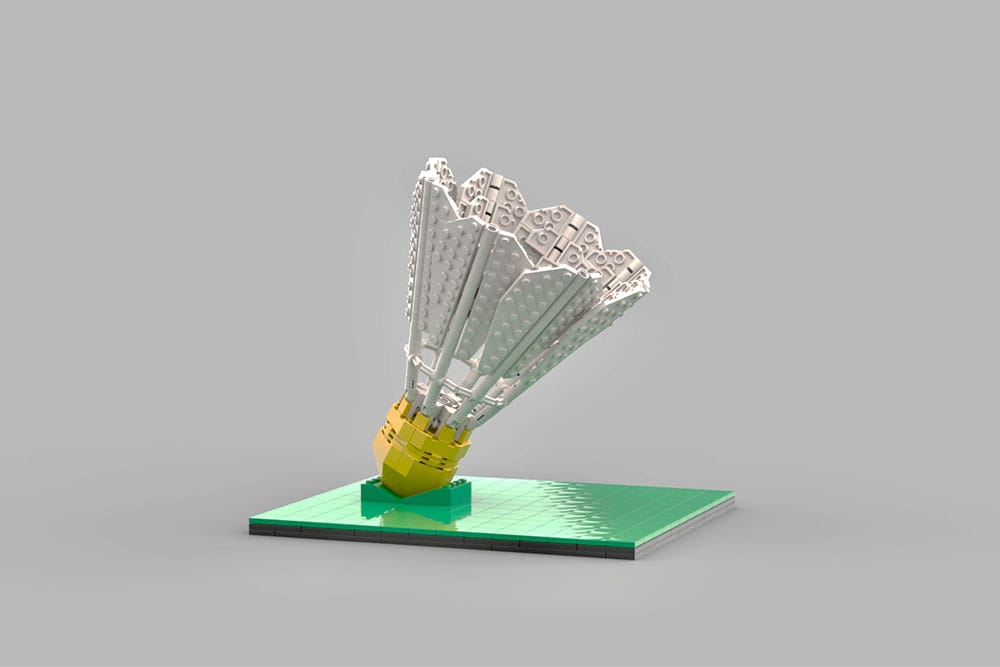
I submitted this project to LEGO IDEAS, and one day I received a comment asking for building instructions.
The commenter was getting married and wanted to build this creation for the wedding, because one of her earliest dates with her fiancé had taken place at the Nelson-Atkins Museum.
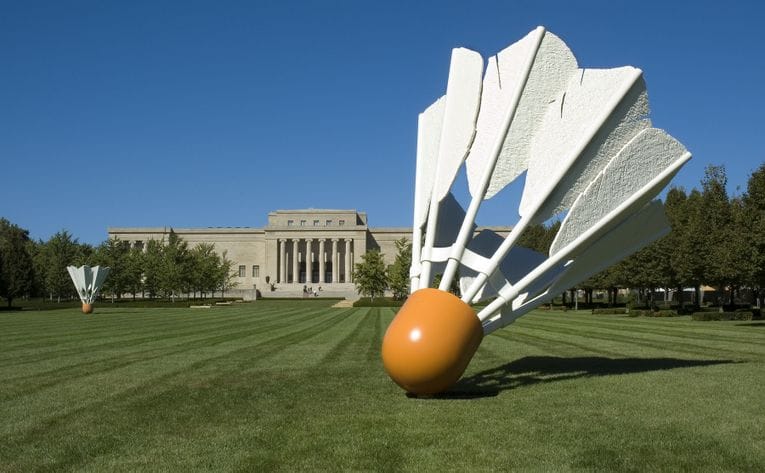
I replied and shared the project details, but never received a further response. Even so, that message meant a lot to me. I sincerely hope they had a beautiful wedding and are living a wonderful life together.
It seems you rarely create builds based on popular IPs. Why is that?
I do have some IP-based creations (for example, the monkey music box), but yes, most of my brick designs are non-IP.
I guess it’s more about design motivations than a preference for design subjects. My builds almost always come from emotional motivations. If a commercial work of music or a picture touches me deeply, I may create a brick tribute to share that feeling.
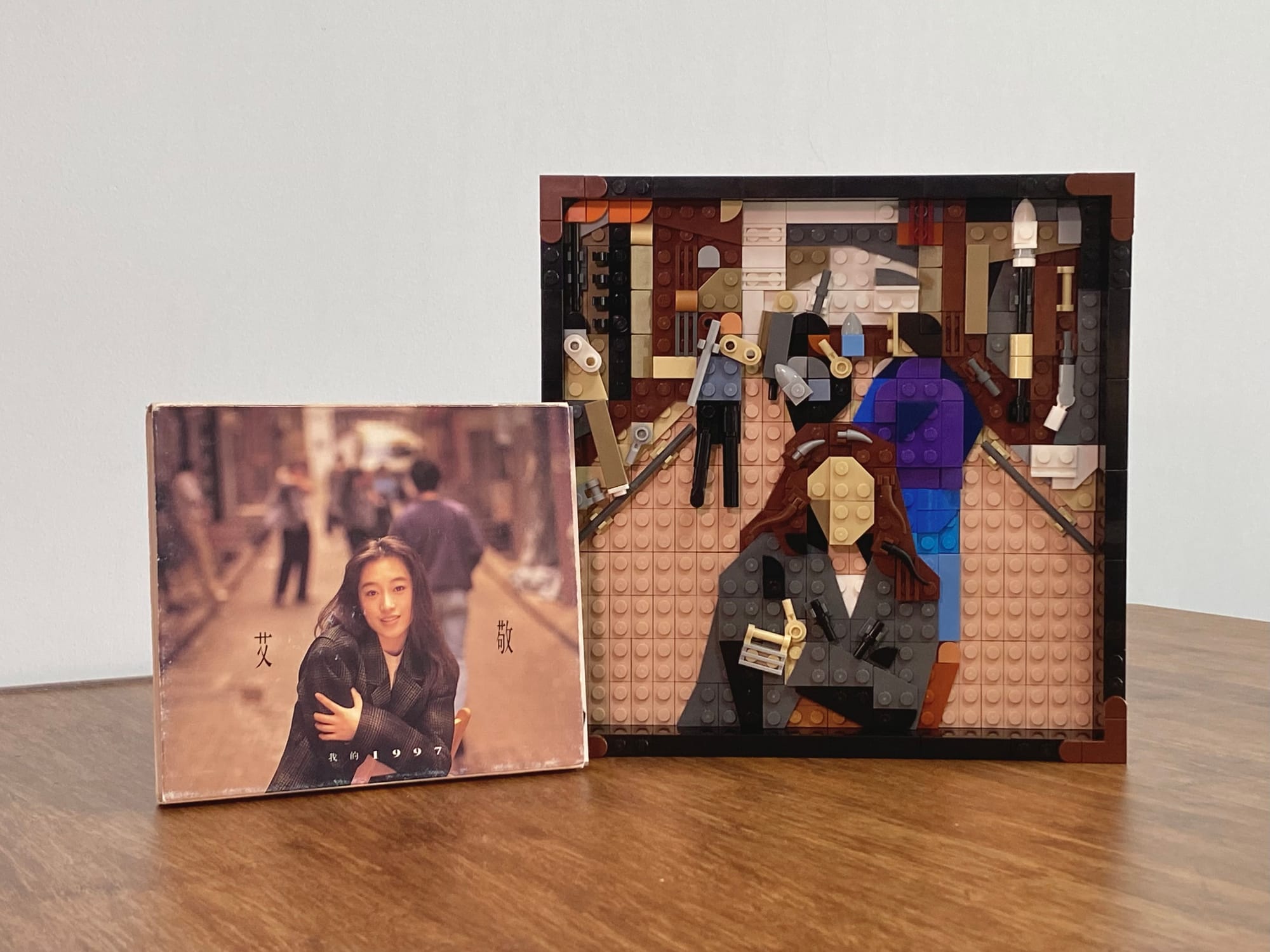
But this represents only a small slice of everyday life.
More often, I find emotional connections in nature, cityscapes, daily objects, and people. These connections are very personal; there are no common visual symbols prepared.
Making brick builds for them goes beyond presenting existing icons with bricks and enters a new territory of defining the subjects from a personal perspective.
This opens up many creative possibilities, which excites me greatly.
Parts and Creation
What habits do you have when choosing and using parts, and how does the parts library influence those habits or your creative process?
I do digital design before I order parts.
Part availability shown in a design application doesn’t always guarantee the same availability in the actual part market.
So I do two things to optimize my design workflow.
One is to check the market availability of parts that are likely to be used in a project, even before I start anything. In this way, I usually end up with a pre-screened palette that has a much higher chance of real-world availability.
The other is to get myself used to a more conservative part palette. It consists of a controlled number of common geometries, combined with comparatively richer color choices that are easier to source in the market.
A thousand more parts don’t make me a better designer, but constant availability checks and back-and-forth part replacements do make me a tired and inefficient designer.
In what situations would you choose to buy compatible parts?
I normally make this decision at the very beginning of each project.
For a personal project, I usually make a digital design with LEGO part palette, and buy 100% LEGO parts. This sometimes involves compromises and design revisions when certain parts are unavailable.
The benefit is that the project can be shared within the LEGO fan community and published on official platforms like LEGO IDEAS.
For commissioned projects or when it involves mass production, I make digital design with a compatible part palette, and of course, source 100% compatible parts (typically from a single manufacturer).
This significantly reduces availability issues, especially in terms of color choices, and allows me to focus more on the creative use of parts.
Another benefit is that some manufacturers also offer part sorting and set-based packing services at a reasonable minimum order quantity. This can otherwise be a major challenge if I use LEGO parts instead.
Whether it’s LEGO or other compatible brands, what has been disappointing or frustrating about the current parts libraries available on the market?
Getting LEGO parts for a personal MOC project has become increasingly challenging from where I am now — Shanghai, China.
LEGO offers an advanced online part ordering service called Pick a Brick, which allows creators to upload a spreadsheet and automatically match required parts. Unfortunately, this service is not available in our country.
BrickLink hosts the largest LEGO part marketplace in the world and features an intelligent system that integrates seamlessly with Studio, its digital design application. However, it no longer supports shipping to China.
What we have instead are a limited number of unofficial part stores on local e-commerce platforms.
When ordering parts, we usually print out a spreadsheet listing part IDs, colors, and quantities, then manually search for each individual part.
If a specific part is unavailable or the quantity is insufficient, we move on to another store and repeat the process. It is quite common to visit three or even four stores just to complete a single project. The entire process can take hours.
When it comes to the parts library, what kind of relationship between the platform and creators is essential for a sustainable and healthy creative ecosystem?
If we are talking about the part catalog of a toy brick manufacturer, to me the essential features are:
All parts listed in the catalog should be consistently available for purchase, with a reasonable and stable volume of supply.
The manufacturer should provide digital tools or services that integrate part availability directly into the creator’s design process.
What is your favorite part?
Wedge/angled plates and tiles are my favorite part types. They are my trusted friends in forming fluid contours and varied shapes.
Which part do you dislike but still find yourself having to use at times?
There isn’t a particular part that I dislike, but I do have concerns with a certain type of building technique: placing a part with only a single point of contact.
The advantage of this technique is that the part can rotate freely around that contact point, which makes it very helpful for forming shapes that would otherwise be extremely difficult to achieve.
The downside, however, is stability. Once the model is touched or moved, the angle may shift, or the part may even fall off.
I’ve tried to reduce the use of this technique in my recent projects, but it’s still very difficult to avoid, as it often leads to stronger visual results.
Daily Life and Creation
What aspects of everyday life tend to spark your creative drive, and are there particular moments or elements that have given you strong inspiration?
In everyday life, I wear the same shoes on clear or rainy days.
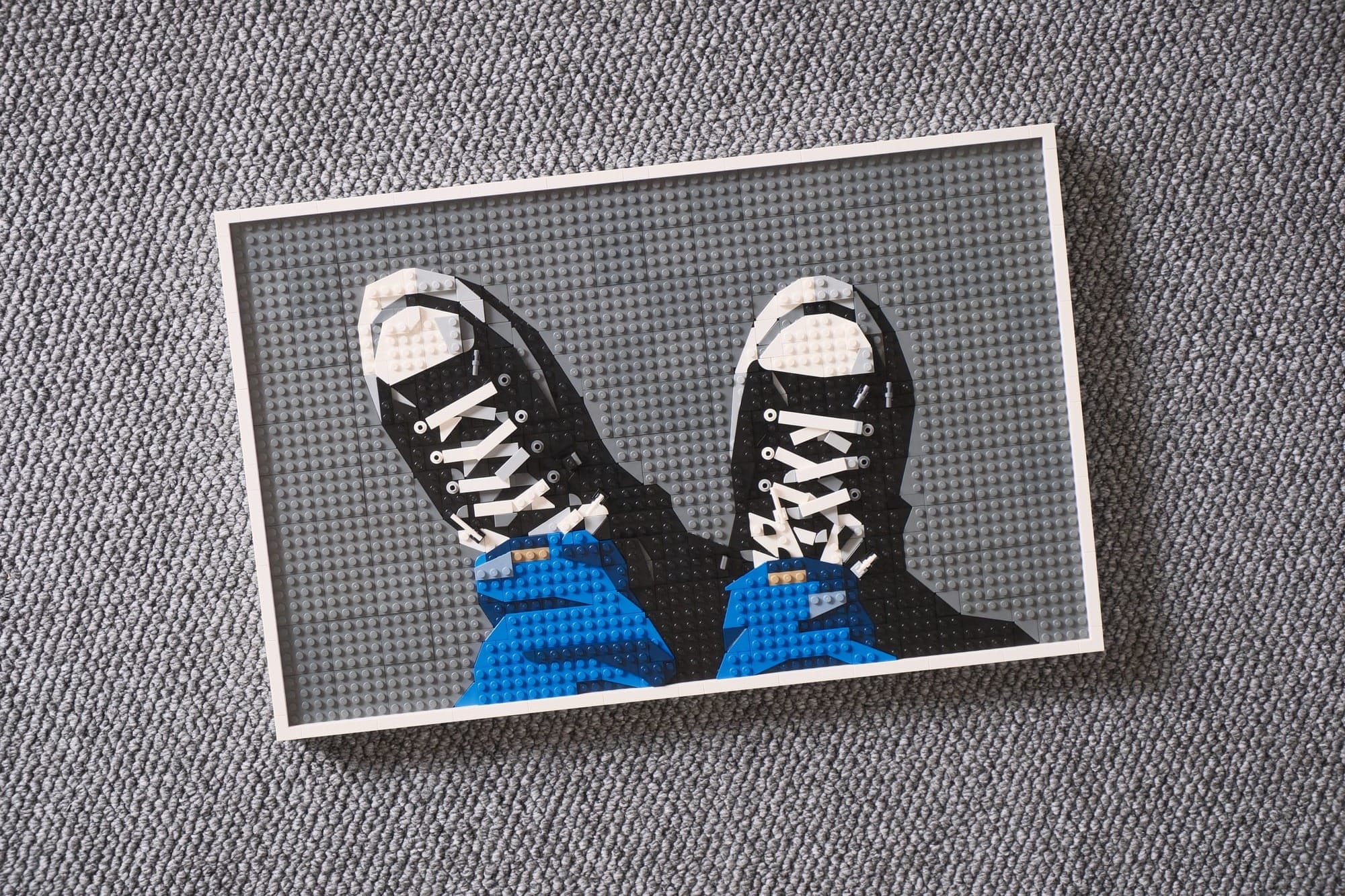
I am also talking about watching the sunset and moonrise from the same window hundreds of times. I get to see the same objects, watch the same scenes, and go through the same routines over and over.
I experience the different sides, states, and colors of them. I relate my happiness, sadness, excitement, and confusion to them.
So whenever I want to express a feeling through a particular medium, I always think of these repetitive daily elements as visual subjects.
I remember during the months of quarantine in 2022, I watched magnolia flowers come and go on the same tree, and I watched the daffodils bloom and die at my window.
When I wanted to say something about that period of time, I pictured magnolias and daffodils with bricks. To me, they are flowers and beyond.
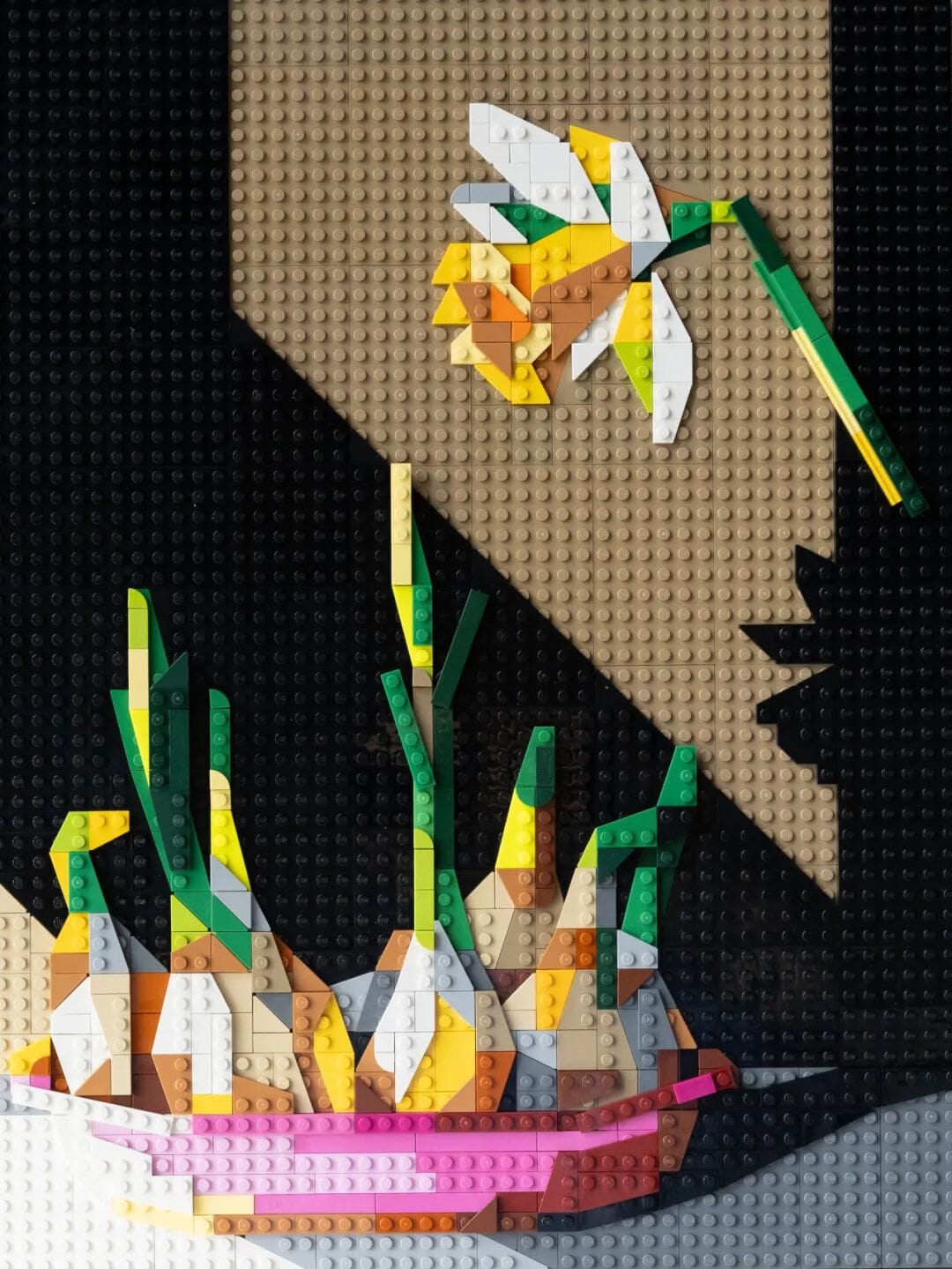
Do you have any habits for recording inspiration?
Yes. If it is just a thought in my mind, I write it down in the Notes App. If it is something right in front of me, I usually take photos and save them in an inspiration folder.
Do you listen to music while designing or building? What genres do you typically listen to?
From the book Drawing on the Right Side of the Brain, I learned that verbal input triggers my mind into a left-brain mode, which conflicts with visual creativity work.
So when I’m in the design stage, I usually go for instrumental music (classical) or even white noise (ambient sounds). It’s easier this way to enter a desired mind flow.
But when I move on to the building stage (bring a finished digital design to life), left-brain mode, right-brain mode, either works for me. At that point, I prefer podcasts. They keep me entertained.
How do you decide that a build you’re working on is finished and has reached the point where you’re satisfied with it?
When the effort I put in no longer brings substantial returns in terms of visual improvement, or when I reach a preset deadline, I normally call it an end.
But it only means there’s nothing more I can do about it at that point. It doesn’t mean I have to bring it to the public.
Only when there is at least one element in the finished work that I cannot take my eyes off, do I feel confident enough to share it publicly.
Who is your favorite brick designer?
@uvupv is my favorite international brick designer. He’s best known for his hundreds of brick album covers, which inspired my journey of exploring canvas art with bricks in my own way.
The Story behind Beer Bottle
This campaign’s theme is “Brickwith+”. How do you interpret this theme?
This theme is quite ambiguous, which leaves plenty of room for interpretation and creativity.
If we take the word “brick” as a verb, “brick with a hammer” almost sounds like a warning: stacking a large flat plate with bare hands hurts.
If we take it as a noun, “brick with wood” feels more like “coffee with milk” or “bread with butter”, implying that something magical might happen when the two different media are mixed together.
I guess it’s up to us designers to complete the title in an unexpected way.
But no matter how wild that title can be, we are still expected to picture a story for it using brick parts, that is, through a brick creation.
Together with the brick creation presented, the title interpretation should then make total sense.
In this way, we may inspire many other designer friends to come up with their own diversified answers to the call. The scope of brick creations can thus be largely expanded.
Within this theme, what inspired you to create the Beer Bottle painting?
“Brick with a beer” was one of the first few titles that came into my mind. “Brick” and “Beer” sound like two completely irrelevant words, and that’s exactly the kind of contrast I was looking for.
I remember visiting a friend’s place once. There was a picture hanging on the wall. In the picture, he was holding a bottle of beer in one hand, caught in the middle of a drink, while his baby daughter rested calmly in his other arm.
To me, it was a really cool picture. It showed that taking care of a baby and enjoying a tasty life are not two contradictory things. That image left a deep impression on me.
I also remember a less fortunate moment, the day I poured coffee all over my laptop. I was busy typing when a phone call came in. While trying to reach my phone, I knocked over the coffee mug in front of me.
The lesson learned was: never drink anything around non-water-resistant digital devices.
But then, what’s the best time for a drink? Playing with bricks doesn’t sound like a terrible option! Coffee, coke, beer, whatever. Even if a beer spills all over the bricks, it’s not the end of the world.
A thorough flush and some drying will bring every brick back to its prime condition.
On my brick painting to-do list, there are always some still-life subjects.
I’ve tried a few, but I haven’t yet experimented with translucent objects that reflect charming and unpredictable colors under different lighting conditions.
A beer bottle is a perfect example of this kind. Given all these factors, you should actually be surprised if I didn’t paint a beer bottle for this brick campaign.
How long did it take from the initial sketches to the final build?
It took me one month.
What was the most exciting part of creating this build?
I have created quite a few brick paintings, but I have never shared details of how any of them is built, part by part.
This is the first time I have shared the part list and instructions for a creation of this kind, and that alone already makes it very exciting for me. I haven’t done this before, not simply because I was lazy or wanted to keep things private.
I had doubts.
Stacking bricks and plates to form the backing board and the frame could feel boring to some people. A painting in a certain style might not fit everyone’s room layout or decoration.
Thanks to Brickwith for providing this opportunity to share my work, regardless of how well or poorly it might be received. That said, I still wanted this project to be well prepared for a broader audience.
I tried to keep the dimensions and part count as small as possible, so it doesn’t take long to build, and can fit into different scenarios: on a desk, on a bookshelf, or mounted on a wall.
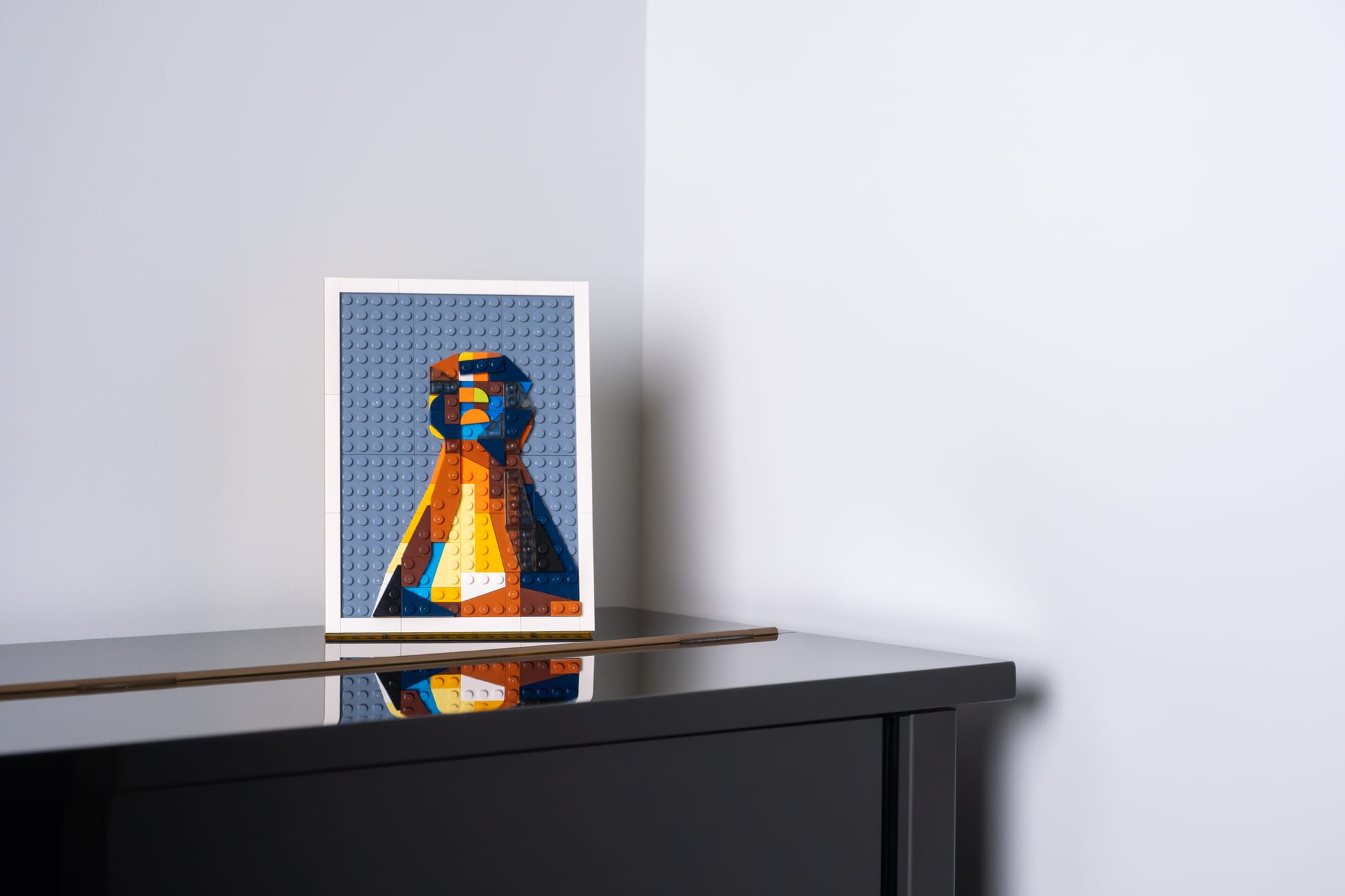
I’m really looking forward to seeing how people blend it into their own spaces.
What were the main challenges during the creation process?
As I mentioned in the previous answer, I intended to keep this brick painting small in size and fun to build.
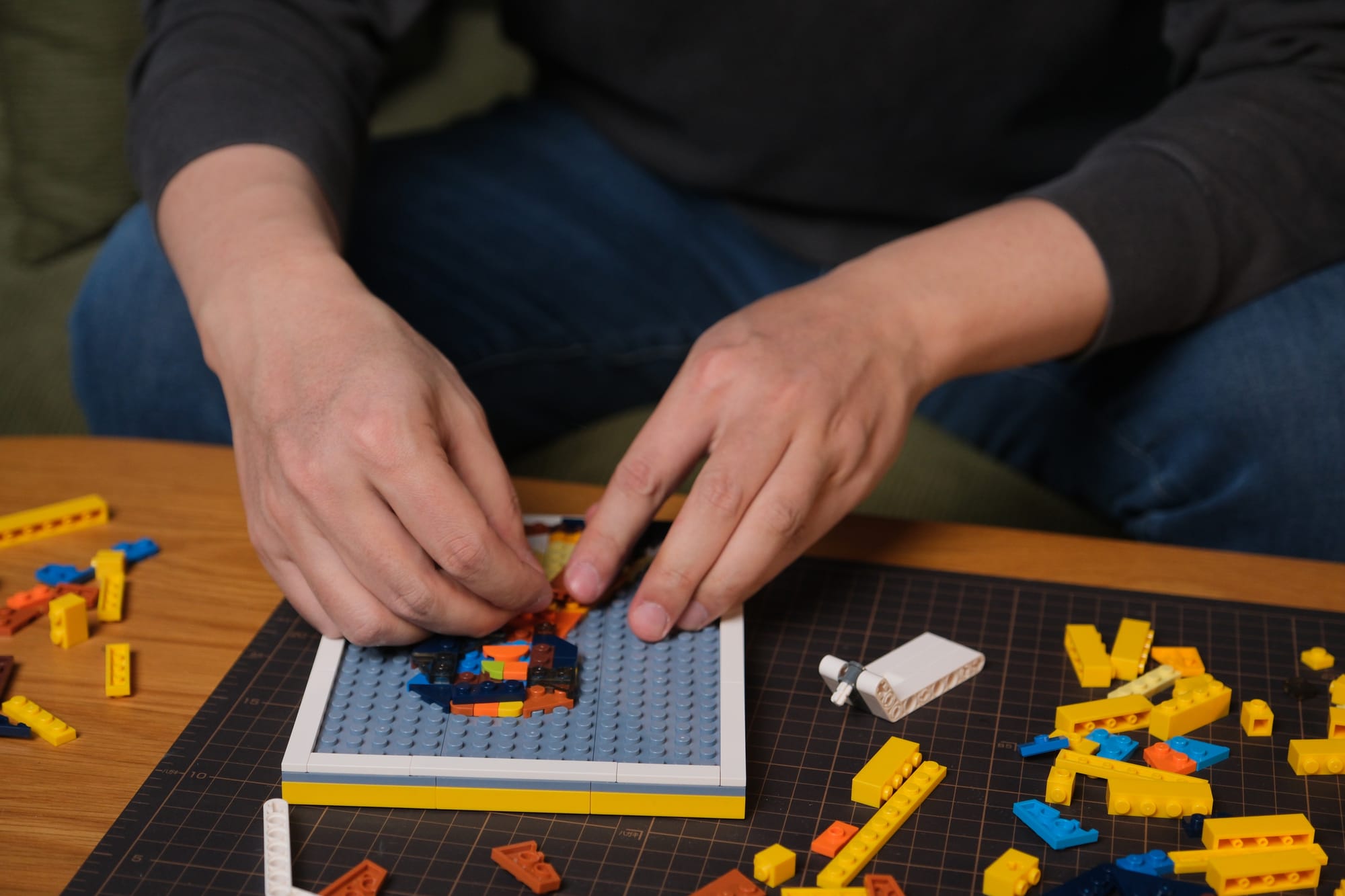
At the same time, I still wanted it to be expressive and rich in detail. The main challenge of this project then, was to find a balance between these two conflicting factors.
I eventually worked out a solution: introducing more subtle color details to make up for the lack of certain geometric details, and cropping the composition to focus on a close-up view of the beer bottle, which allowed richer visual expression within a compact canvas.
In creating this model, was there anything that felt different compared to your previous designs?
A significant difference is that I can use colors much more boldly.
When creating brick paintings, I rely heavily on wedge/angled plates and tiles.
Previously, in the local LEGO part market, however, I had access to only a limited range of colors for these part types.
Even worse, market availability often does not match the part availability shown in the design application. As a result, I had to use parts and colors in a very conservative way.
Otherwise, I would have to face constant back-and-forth design changes or compromises caused by availability issues.
Things became much easier in this collaboration.
I used a Brickwith part palette configuration in my design application, and Brickwith guarantees that the parts and colors within this palette are always consistent with their actual part supply.
This allowed me to leave all availability concerns behind.
Moreover, for certain part types, Brickwith offers more color options than LEGO, which opens up new design possibilities. Overall, it has been a very pleasant journey for me in this regard.
Community and Creation
What tools or services could make your creative process easier or smoother?
A service that integrates real part availability directly into the design application. A service that allows creators to place part orders directly from digital designs, using a single, reliable source of supply.
In terms of community, what kind of support would encourage you to keep creating and sharing?
A community that helps my creations reach and engage a wider audience, or offers solid monetization opportunities, strongly motivates me to keep creating and sharing my work there.
What makes a truly creator-friendly community?
This overlaps a bit with previous questions, but I would add a few more points.
A truly creator-friendly community should simplify the creative process, motivate sharing, provide inspiration, and most importantly, protect creators’ rights and intellectual property.
Share with Builders
Have you noticed how many people go on to buy the parts and rebuild your designs?
I occasionally share part lists and instructions for my creations.
When I receive messages asking for help, or when I’m tagged in a post, I know someone is building one of them. Sometimes it feels like hundreds of people find a build relatable.
Other times, maybe it’s just me who enjoys a particular one.
Have you ever heard surprising stories from people who normally have nothing to do with brick building?
There’s no particularly surprising story, but yes, some people who replicated my builds actually had no prior experience with toy bricks at all.
Once, I shared the instructions for a shuttlecock sculpture, which later became quite popular among badminton enthusiasts. They were experts in badminton, but knew very little about the world of brick parts.
It was fun to help them source the right pieces and put everything together. It was also fun to introduce them to a new hobby.
What kinds of moments of joy, satisfaction, or even touching experiences do you have from sharing your designs?
I made a brick branch of magnolia flowers during the 2022 COVID quarantine in Shanghai and shared it publicly.
Along with the build, I also published a blog post, telling stories about my daily observations of the flowers outside my window while I was stuck at home.
Through that post, I met a new friend who wanted to give this build as a gift to her mother, who loves flowers and gardening. She told me that her mother liked the brick flowers, and especially enjoyed reading the blog.
It reminded her of all the different flowers she had grown over the years, and it inspired her to start writing stories about them as well.
That is probably one of the most joyful and touching experiences I’ve had through sharing my design work.
Editor's Note
Liang Yao’s transition from an engineer to a full-time creator reminds us that brick art is ultimately about a deeper way of seeing—noticing the subtle lines, colors, and emotions that often go overlooked in daily life.
As he shared in our conversation, the core of both painting and brick building lies in this observation.
This philosophy is captured in his Decorative Brick Painting of a Beer Bottle created for the Brickwith+ campaign.
By focusing on the intricate interplay of light and shadow within transparent glass, Liang has transformed a simple, everyday object into a compelling piece of visual art.
Through his work, bricks cease to be mere toys and become a sophisticated medium that redefines the traditional canvas.
Interviewee
Liang Yao @huanhuan.works
Interviewer
Xiao Jie
Editor
Cornelia
About Brickwith
Brickwith.com is the official destination for premium Gobricks building parts, offering an extensive selection of parts and colors, trusted quality, and tools built for creators. Every order is individually sorted and packed according to your parts list, giving builders a faster, smoother experience from checkout to construction.